
Diabetic Foot Care
7008001238 • March 6, 2026
Diabetic Foot Care: Protecting Your Health One Step at a Time

For the more than 37 million Americans living with diabetes, foot health isn’t just important—it’s essential. Diabetes can quietly affect circulation and nerve function in the feet, increasing the risk of ulcers, infections, and long‑term complications that can impact mobility and overall quality of life.
The good news? With consistent care and routine podiatry visits, most serious issues are completely preventable.
Why Diabetes Affects Your Feet
Diabetes impacts the body in a few ways that make feet especially vulnerable:
1. Reduced Sensation
(Neuropathy)
High blood sugar levels can damage nerves over time. This makes it harder to feel:
Cuts
Blisters
Hot or cold sensations
Pressure points from shoes
Without the ability to feel pain, small injuries often go unnoticed—and untreated.
2. Poor Circulation
Diabetes can narrow and harden blood vessels, reducing blood flow to the feet. Poor circulation slows:
Healing
Immune response
Tissue repair
This increases the risk of infections and complications.
3. Higher Risk of Ulcers
Foot ulcers can form from friction, pressure, or minor injuries. With weakened healing ability, they can quickly worsen and become serious medical issues.
Why Regular Podiatry Visits Matter
- Seeing a podiatrist isn’t just a checkup—it's prevention.
- During regular visits, a podiatrist can:
- Identify early warning signs before they become problems
- Trim nails safely to prevent ingrown toenails Treat corns and calluses properly
- Monitor circulation and nerve function
- Offer guidance on diabetic‑friendly footwear
- Provide wound care when needed
Often, early detection is the difference between a minor issue and a major complication.
Simple Daily Habits That Make a Big Difference
you can dramatically reduce foot-related complications with a few daily habits:
- Check your feet every day for redness, swelling, cuts, or blisters
- Wash and dry your feet carefully, especially between toes
- Apply moisturizer—but avoid between toes
- Wear proper-fitting shoes designed for diabetic support
- Never walk barefoot, indoors or outdoors
- Keep blood sugar levels in check to support nerve and vascular health
Small steps done consistently lead to long‑term protection.
The Bottom Line
Diabetes doesn’t have to limit your mobility or independence. With daily care and routine podiatry visits, you can stay ahead of ulcers, infections, and nerve complications—keeping your feet healthy and your lifestyle active.
Your feet take you everywhere. With the right care, they’ll keep you moving for years to come.

A podiatrist examining the big-toe joint
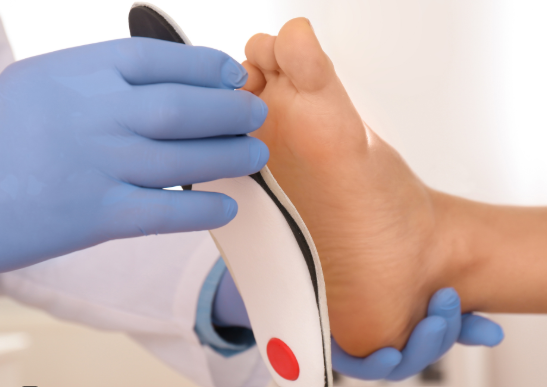
Flat Feet or High Arches: Understanding Your Foot Structure and Finding Relief
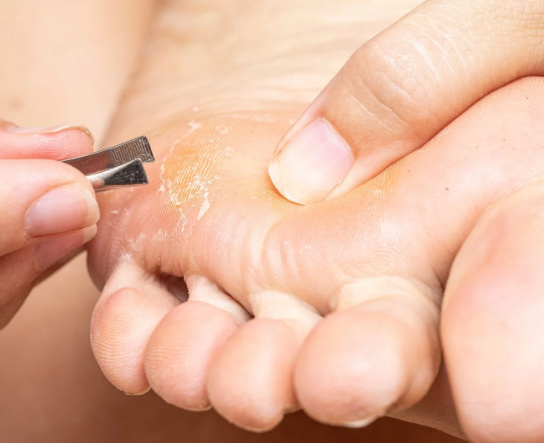
Corns, Calluses, and Fungal Infections: Why Professional Foot Care Matters
Share On: