
Corns, Calluses, and Fungal Infections

7008001238 • May 30, 2026

Corns, Calluses, and Fungal Infections: Why Professional Foot Care Matters
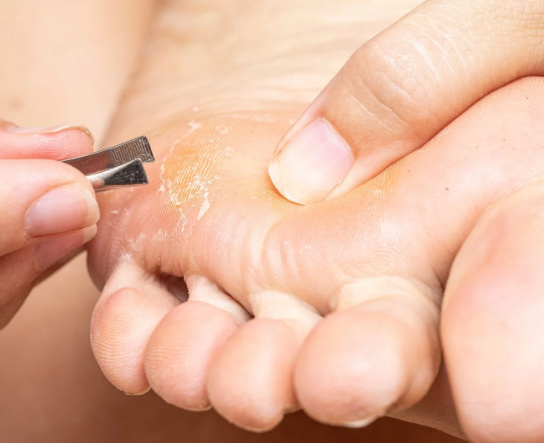
Corns, Calluses, and Fungal Infections: Why Professional Foot Care Matters

When it comes to foot health, it’s easy to dismiss issues like corns, calluses, or fungal infections as minor inconveniences. However, these common conditions can quickly become painful, persistent, and even lead to more serious complications if left untreated.


At InStep Podiatry, we believe that proactive, professional care is the key to keeping your feet healthy, comfortable, and problem-free. Understanding the Basics


What Are Corns and Calluses?

Corns and calluses are thickened areas of skin that form as a natural defense mechanism against friction and pressure.

  • Corns are small, concentrated areas that often develop on toes and can be painful when pressed.
  • Calluses are broader, less defined areas of thickened skin, typically found on the soles of the feet.

While they may seem harmless at first, these conditions can become increasingly uncomfortable—especially if the underlying cause, such as improper footwear or gait issues, isn’t addressed.


What Are Fungal Infections?

Fungal infections, including athlete’s foot and toenail fungus, thrive in warm, moist environments. Symptoms may include:

  • Itching, burning, or redness
  • Cracked or peeling skin
  • Discolored, thickened, or brittle toenails

These infections are not only uncomfortable but can also spread if left untreated.


Why You Shouldn’t Ignore These Conditions

Many people attempt to treat these issues at home using over-the-counter products or DIY remedies. While these solutions may provide temporary relief, they often fail to address the root cause—and in some cases, may even make the problem worse.


Ignoring foot conditions can lead to:

  • Increased pain and inflammation
  • Skin breakdown or open sores
  • Secondary infections
  • Difficulty walking or performing daily activities

For individuals with underlying health conditions like diabetes, even minor foot problems can escalate into serious health risks.


The Benefits of Professional Treatment

Seeking care from a qualified podiatrist ensures that your foot concerns are managed safely and effectively.

Accurate Diagnosis


Not all foot conditions are what they seem. What appears to be a simple callus might be a wart or another underlying issue. A podiatrist can accurately diagnose the problem and tailor treatment accordingly.

Safe and Effective Care


Professional treatment may include:

  • Gentle removal of corns and calluses
  • Prescription-strength treatments for fungal infections
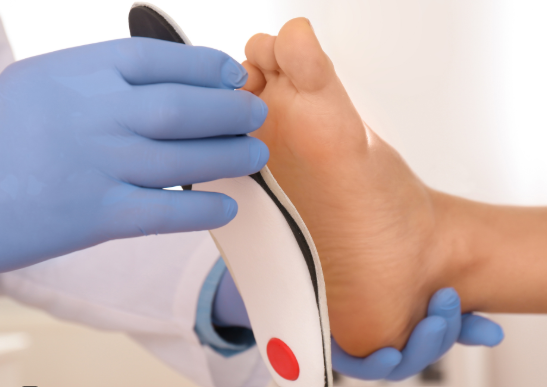
  • Recommendations for proper footwear and orthotics
  • Preventative care strategies to reduce recurrence


Attempting to cut or remove thickened skin yourself can lead to injury or infection—especially if done improperly.

Long-Term Prevention


At InStep Podiatry, care goes beyond treating symptoms. We focus on identifying contributing factors such as pressure points, foot structure, and lifestyle habits to help prevent future issues.


When to See a Podiatrist

It’s time to seek professional care if you notice:

  • Persistent corns or calluses that won’t go away
  • Pain or discomfort when walking
  • Signs of fungal infection
  • Thick, discolored, or damaged toenails
  • Any changes in your feet that concern you


Early intervention can save you time, discomfort, and more extensive treatments down the road.


Take the First Step Toward Healthier Feet

Your feet carry you through life—they deserve expert care. At InStep Podiatry, we provide comprehensive, compassionate treatment for a wide range of foot conditions, including corns, calluses, and fungal infections.


Don’t wait until minor issues become major problems. Schedule your appointment today and take the first step toward healthier, happier feet.

Corns, Calluses, and Fungal Infections
By 7008001238 May 4, 2026
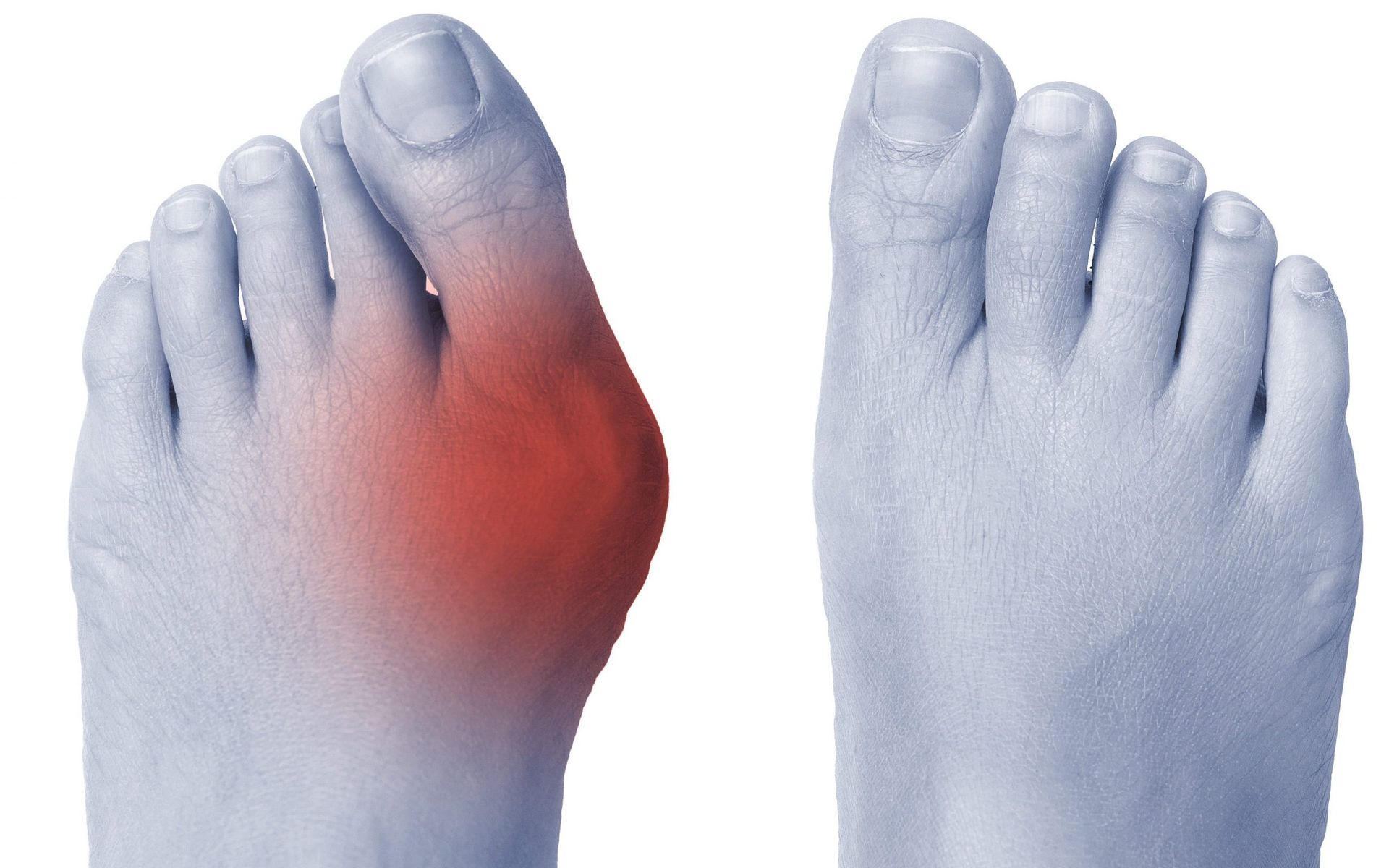
Bunions and Hammertoes: Causes, Symptoms, and Treatment Options
By 7008001238 April 2, 2026
Athletes of all levels—from weekend warriors to competitive professionals—put significant stress on their feet, ankles, and lower legs. While sports offer countless physical and mental benefits, they also come with a risk of injury. From minor sprains to complex stress fractures, proper diagnosis and treatment are essential for a safe and timely return to activity. That’s where podiatrists play a vital role. At Instep Podiatry, we specialize in diagnosing, treating, and preventing sports-related foot and ankle injuries so athletes can perform at their best with confidence. Common Sports Injuries We Treat Sports injuries can happen suddenly or develop gradually over time due to overuse. Some of the most common conditions podiatrists treat include: Ankle sprains and ligament injuries Stress fractures Plantar fasciitis Achilles tendonitis Shin splints Heel pain and arch strain Turf toe and toe fractures Ignoring pain or pushing through an injury often leads to longer recovery times or chronic issues. Early evaluation by a podiatrist can make a significant difference in healing outcomes. Accurate Diagnosis Is the First Step to Recovery Foot and ankle injuries can be complex, and many conditions share similar symptoms. Podiatrists are trained to accurately identify the root cause of sports-related pain using physical examinations, gait analysis, and advanced imaging when needed. An accurate diagnosis ensures that treatment targets the injury itself—not just the symptoms—helping athletes recover more efficiently and avoid reinjury. Personalized Rehabilitation and Treatment Plans No two athletes are the same, and neither are their injuries. Podiatrists develop personalized treatment plans based on the athlete’s sport, activity level, and long-term goals. Treatment may include: Activity modification and rest protocols Physical therapy and strengthening exercises Custom orthotics to correct biomechanics Bracing or protective footwear Advanced therapies to reduce inflammation and pain By addressing both the injury and the biomechanical factors that contributed to it, podiatrists help athletes return to play safely and effectively. Injury Prevention: Staying One Step Ahead Preventing sports injuries is just as important as treating them. Podiatrists focus on injury prevention strategies such as: Evaluating foot structure and gait patterns Recommending proper footwear for specific sports Designing custom orthotics for support and alignment Educating athletes on stretching, conditioning, and training techniques These proactive measures can reduce stress on the feet and ankles, improve performance, and minimize downtime caused by injuries. When to See a Podiatrist Athletes should seek podiatric care if they experience: Persistent foot or ankle pain Swelling or instability Pain that worsens during or after activity Limited mobility or recurring injuries Early intervention often leads to faster recovery and better long-term results. Supporting Athletes at Every Level Whether you’re training for a marathon, competing on the field, or staying active for overall health, your feet are the foundation of your performance. Podiatric care ensures they remain strong, stable, and injury-free. At Instep Podiatry, we are proud to support athletes with expert care focused on diagnosis, rehabilitation, and injury prevention. Our goal is to keep you moving comfortably and confidently—on and off the field. To learn more about sports injury treatment or to schedule an appointment, visit https://www.instep-podiatry.com.
By 7008001238 March 6, 2026
For the more than 37 million Americans living with diabetes, foot health isn’t just important—it’s essential. Diabetes can quietly affect circulation and nerve function in the feet, increasing the risk of ulcers, infections, and long‑term complications that can impact mobility and overall quality of life. The good news? With consistent care and routine podiatry visits, most serious issues are completely preventable. Why Diabetes Affects Your Feet Diabetes impacts the body in a few ways that make feet especially vulnerable: 1. Reduced Sensation (Neuropathy) High blood sugar levels can damage nerves over time. This makes it harder to feel: Cuts Blisters Hot or cold sensations Pressure points from shoes Without the ability to feel pain, small injuries often go unnoticed—and untreated. 2. Poor Circulation Diabetes can narrow and harden blood vessels, reducing blood flow to the feet. Poor circulation slows: Healing Immune response Tissue repair This increases the risk of infections and complications. 3. Higher Risk of Ulcers Foot ulcers can form from friction, pressure, or minor injuries. With weakened healing ability, they can quickly worsen and become serious medical issues. Why Regular Podiatry Visits Matter Seeing a podiatrist isn’t just a checkup—it's prevention. During regular visits, a podiatrist can: Identify early warning signs before they become problems Trim nails safely to prevent ingrown toenails Treat corns and calluses properly Monitor circulation and nerve function Offer guidance on diabetic‑friendly footwear Provide wound care when needed Often, early detection is the difference between a minor issue and a major complication. Simple Daily Habits That Make a Big Difference you can dramatically reduce foot-related complications with a few daily habits: Check your feet every day for redness, swelling, cuts, or blisters Wash and dry your feet carefully, especially between toes Apply moisturizer—but avoid between toes Wear proper-fitting shoes designed for diabetic support Never walk barefoot, indoors or outdoors Keep blood sugar levels in check to support nerve and vascular health Small steps done consistently lead to long‑term protection. The Bottom Line Diabetes doesn’t have to limit your mobility or independence. With daily care and routine podiatry visits, you can stay ahead of ulcers, infections, and nerve complications—keeping your feet healthy and your lifestyle active. Your feet take you everywhere. With the right care, they’ll keep you moving for years to come.
More Posts →