
Bunions and Hammertoes
Bunions and Hammertoes: Causes, Symptoms, and Treatment Options
Foot pain can significantly impact your daily life—especially when it makes something as simple as wearing shoes uncomfortable. Two of the most common structural foot problems we see at Instep Podiatry are bunions and hammertoes. While these conditions are common, they are often misunderstood and can worsen over time without proper care.
Let’s take a closer look at what causes these deformities and how we can help you find lasting relief.
What Are Bunions?
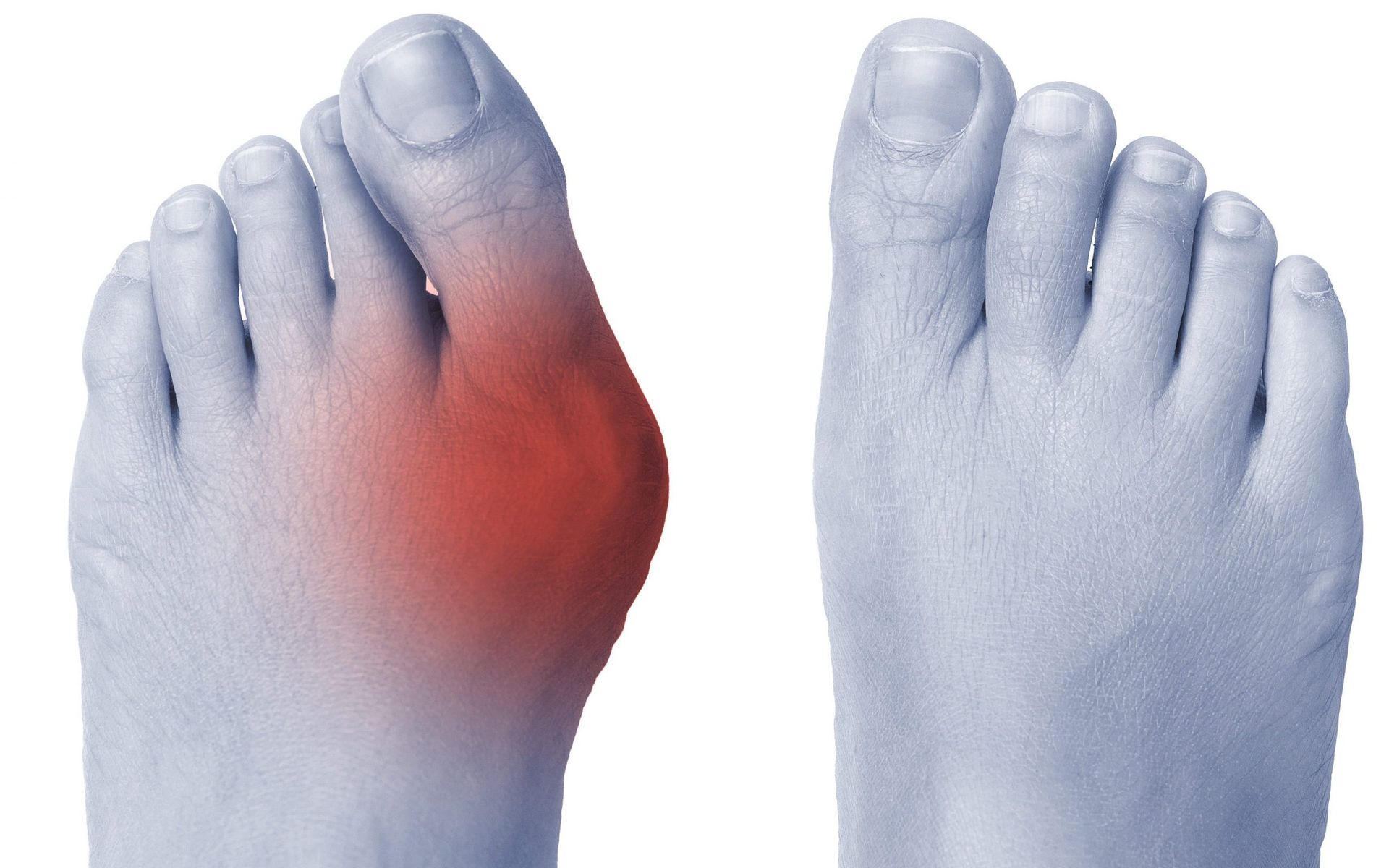
A bunion is a bony bump that forms at the base of your big toe (the metatarsophalangeal joint). Over time, the big toe may shift inward toward the second toe, causing the joint to stick out and become irritated.
Common Symptoms of Bunions
- Swelling, redness, or tenderness around the joint
- A visible bump on the side of the foot
- Pain when walking or wearing shoes
- Limited movement of the big toe
What Causes Bunions?
Bunions often develop due to:
- Genetics (inherited foot structure)
- Improper footwear, especially tight or narrow shoes
- Arthritis or other joint conditions
- Abnormal foot mechanics
What Are Hammertoes?
A hammertoe occurs when one or more of the smaller toes become bent at the middle joint, creating a claw-like or hammer-shaped appearance. This deformity can become rigid over time if left untreated.
Common Symptoms of Hammertoes
- Toe deformity (bent or curled toes)
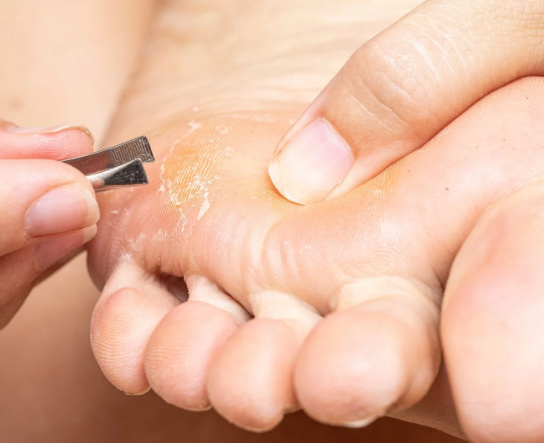
- Corns or calluses from friction
- Pain while walking or wearing shoes
- Difficulty straightening the toe
What Causes Hammertoes?
Hammertoes may develop due to:
- Muscle imbalance in the foot
- Tight or ill-fitting shoes
- Injury or trauma
- Underlying conditions like arthritis
Why Treatment Matters
Both bunions and hammertoes are progressive conditions, meaning they typically worsen over time if not addressed. As the deformity progresses, it can lead to increased pain, difficulty walking, and challenges finding comfortable footwear.
Early intervention is key to preventing more severe complications.
Treatment Options at Instep Podiatry
At Instep Podiatry, we provide personalized care plans based on the severity of your condition and your lifestyle needs.
Non-Surgical Treatments
For many patients, conservative care can provide significant relief:
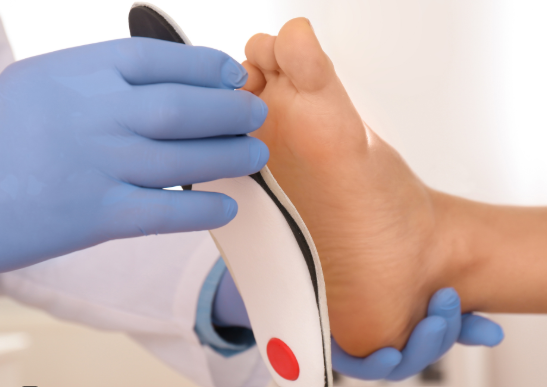
- Custom orthotics to improve alignment and reduce pressure
- Padding and taping to minimize irritation
- Footwear recommendations for better support and fit
- Activity modifications to reduce strain on the feet
Surgical Solutions
When conservative treatments are not effective, surgical correction may be recommended. These procedures are designed to:
- Realign the bones and joints
- Relieve pain
- Restore function and mobility
Our team will walk you through every step of the process, ensuring you understand your options and feel confident in your care plan.
When Should You See a Podiatrist?
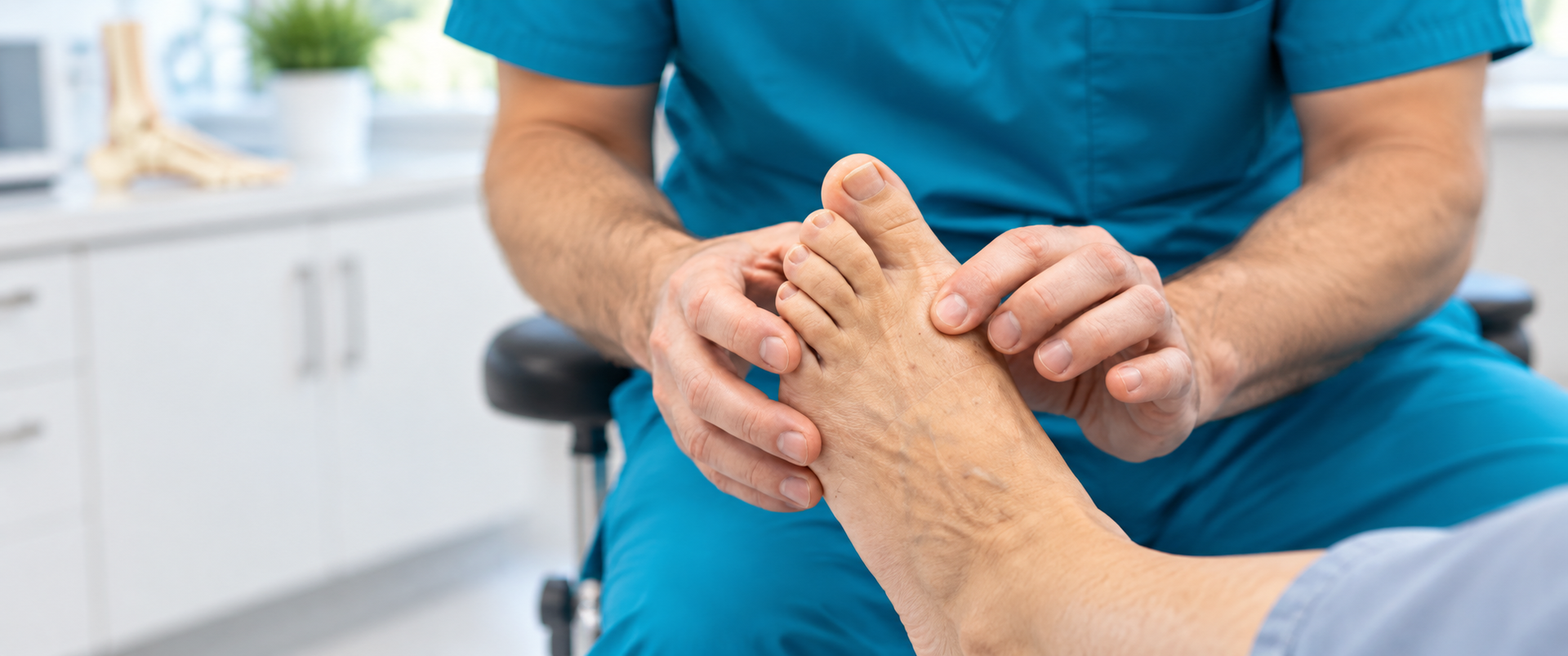
If you’re experiencing persistent foot pain, visible deformity, or difficulty wearing your usual shoes, it’s time to seek professional care. Early treatment can prevent worsening symptoms and help you stay active and comfortable.
Take the First Step Toward Pain-Free Feet
You don’t have to live with foot pain. At Instep Podiatry, we’re dedicated to helping you move comfortably again with treatments tailored just for you.
Visit us online to learn more or schedule an appointment:
https://www.instep-podiatry.com/
Share On: