10 Reasons You Shouldn’t Ignore Foot Pain – How Instep Podiatry in Wheaton Can Help You Stay Active

7008001238 • December 16, 2025

Your feet carry you through life—literally. Yet, many people ignore foot pain until it becomes unbearable. At Instep Podiatry in Wheaton, Illinois, we believe healthy feet are the foundation of an active, pain-free lifestyle. Here are ten reasons why visiting a podiatrist is one of the best decisions you can make for your health.

1. Persistent Foot or Heel Pain
If you’ve been dealing with pain for more than a few days, it’s time to see a professional. Conditions like plantar fasciitis or heel spurs can worsen without treatment, making walking or exercising difficult.

2. Ingrown Toenails
An ingrown toenail isn’t just uncomfortable—it can lead to infection. Our podiatrists safely remove ingrown nails and provide tips to prevent them in the future.

3. Diabetic Foot Care
Diabetes increases the risk of ulcers, infections, and nerve damage. Regular podiatry visits are essential for preventing serious complications and maintaining mobility.

4. Sports Injuries
From sprains to stress fractures, athletes rely on podiatrists for accurate diagnosis, rehabilitation, and injury prevention strategies.

5. Bunions and Hammertoes
These common deformities can cause pain and limit your ability to wear shoes comfortably. We offer solutions ranging from custom orthotics to surgical correction.

6. Corns, Calluses, and Fungal Infections
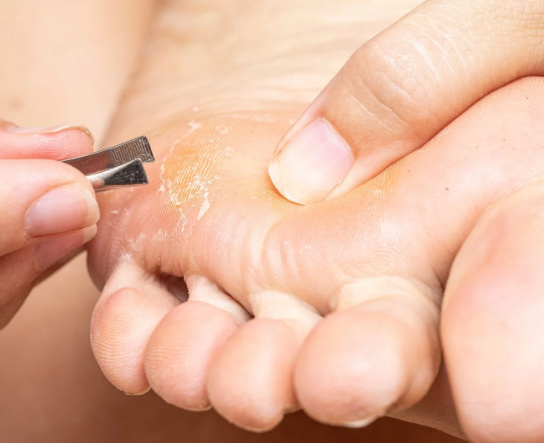
These issues may seem minor, but they can become painful and lead to complications if ignored. Professional care ensures safe and effective treatment.

7. Flat Feet or High Arches
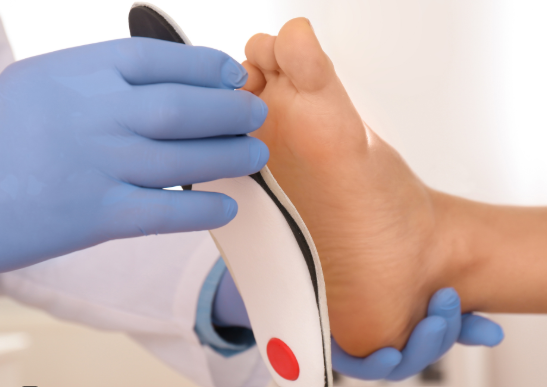
Structural foot problems can cause pain in your feet, knees, and even your back. Our team provides custom orthotics and footwear recommendations to restore balance.

8. Arthritis and Joint Pain
Chronic conditions like arthritis can affect your mobility and quality of life. Podiatric care helps manage pain and keep you moving.

9. Preventive Care
Regular check-ups help catch problems early, saving you time, money, and discomfort down the road.

10. Overall Quality of Life
Healthy feet mean you can stay active, enjoy hobbies, and live life without pain holding you back.

Why Choose Instep Podiatry in Wheaton?
• Experienced Team: Decades of combined experience in foot and ankle care.
• Advanced Technology: Cutting-edge treatments for faster recovery.
• Personalized Care: Every patient gets a plan tailored to their lifestyle and goals.
• Convenient Location: Serving Wheaton and surrounding communities with flexible scheduling.
• 

Take the First Step Toward Pain-Free Living
Don’t wait until foot pain stops you in your tracks. Schedule your appointment today with Instep Podiatry in Wheaton, Illinois, and let us help you stay active and healthy.
📞 Call us now or book online to get started!


10 Reasons You Shouldn’t Ignore Foot Pain – How Instep Podiatry in Wheaton Can Help You Stay Active
By 7008001238 February 2, 2026
An ingrown toenail may seem like a minor inconvenience at first—but anyone who has dealt with one knows how quickly it can become painful, swollen, and even infected. If left untreated, an ingrown toenail can make walking difficult and lead to more serious foot complications. At InStep Podiatry, our experienced podiatrists safely treat ingrown toenails and help patients prevent them from coming back. What Is an Ingrown Toenail? An ingrown toenail occurs when the edge of a toenail grows into the surrounding skin instead of over it. This most commonly affects the big toe. When the nail presses into the skin, it can cause: Pain or tenderness along one or both sides of the nail Redness and swelling Warmth around the toe Drainage or pus if infection develops Without proper care, even a mild ingrown toenail can worsen over time. Why Do Ingrown Toenails Happen? Several factors can contribute to the development of an ingrown toenail, including: Improper Nail Trimming Cutting toenails too short or rounding the edges can encourage the nail to grow into the skin rather than straight out. Tight or Ill-Fitting Shoes Shoes that crowd the toes place constant pressure on the nail, forcing it into the surrounding tissue. Injury or Trauma Stubbing your toe, repetitive pressure from sports, or dropping something heavy on the foot can change how the nail grows. Genetics Some people naturally have curved or thick toenails that are more prone to becoming ingrown. Underlying Medical Conditions Conditions such as diabetes or poor circulation increase the risk of complications from ingrown toenails and make early treatment especially important. Signs an Ingrown Toenail May Be Infected An ingrown toenail does more than hurt—it can become infected if bacteria enter the broken skin. Warning signs include: Increasing redness or swelling Severe or throbbing pain Drainage or foul odor Difficulty wearing shoes or walking If you notice these symptoms, it’s important to seek professional care right away rather than trying to treat it at home. How InStep Podiatry Treats Ingrown Toenails At InStep Podiatry, we take a safe, effective, and comfortable approach to ingrown toenail treatment. Professional Removal Our podiatrists gently remove the portion of the nail causing the irritation. The procedure is performed under local anesthesia to ensure minimal discomfort. Infection Management If an infection is present, we address it promptly and provide proper wound care instructions to support healing. Long-Term Solutions For recurring ingrown toenails, we may recommend a permanent solution that prevents the problematic portion of the nail from growing back—helping eliminate repeat issues. Why You Should Avoid DIY Ingrown Toenail Treatment Trying to “dig out” an ingrown toenail at home can cause more harm than good. Home treatments often: Increase the risk of infection Worsen pain and inflammation Delay proper healing Professional podiatric care is the safest way to resolve the issue, especially for patients with diabetes or circulation concerns. Tips to Prevent Ingrown Toenails Our podiatrists don’t just treat ingrown toenails—we help patients prevent them. A few simple habits can make a big difference: Trim toenails straight across, avoiding rounded corners Don’t cut nails too short—leave them even with the tip of the toe Wear properly fitting shoes with adequate toe room Protect your feet during sports or activities Keep feet clean and dry If you’re prone to ingrown toenails, routine podiatry care can help keep your feet healthy year‑round. When to See a Podiatrist You should schedule an appointment if: Pain persists or worsens There are signs of infection Ingrown toenails keep coming back You have diabetes, neuropathy, or circulation issues Early treatment can prevent complications and get you back on your feet faster. Get Relief Today at InStep Podiatry You don’t have to live with the pain of an ingrown toenail. At InStep Podiatry, our caring team provides expert treatment in a comfortable setting—so you can move confidently again. If you’re dealing with an ingrown toenail or foot pain of any kind, contact InStep Podiatry today to schedule an appointment.
By 7008001238 January 6, 2026
Persistent Foot or Heel Pain: When It’s Time to See a Podiatrist Foot and heel pain can slow down your entire day—whether you’re on your feet for work, chasing kids, or trying to stay active. While occasional soreness is normal, pain that sticks around for more than a few days is a clear signal that something deeper may be going on. Ignoring these early warning signs often leads to bigger issues later. Here’s why persistent foot or heel pain shouldn’t be brushed off. Why Ongoing Foot Pain Matters Pain is your body’s way of telling you something is wrong. When discomfort lingers, it may point to underlying conditions such as: Plantar Fasciitis: One of the most common causes of heel pain, plantar fasciitis happens when the band of tissue along the bottom of your foot becomes inflamed. It often causes sharp, stabbing pain first thing in the morning or after long periods of standing or walking. Heel Spurs: Heel spurs are calcium deposits that form on the heel bone. While they often develop alongside plantar fasciitis, they can also cause their own persistent discomfort—especially when walking or exercising. Tendon or Ligament Strain: Overuse, improper footwear, or sudden increases in activity can strain the soft tissues in your feet. Without proper treatment, these issues can worsen and prolong recovery time. What Happens If You Don’t Address the Pain? Leaving foot pain untreated can cause: Worsening inflammation Changes in your walking pattern (which can affect knees, hips, and back) Increased risk of chronic pain Longer and more difficult recovery Foot problems rarely fix themselves—and the longer you wait, the more complicated the treatment can become. When to See a Professional You should schedule a podiatry visit if: The pain lasts more than a few days You notice swelling or stiffness Walking or exercise makes the pain worse The pain disrupts your work, sleep, or daily activities A podiatrist can diagnose the root cause and create a treatment plan that may include custom orthotics, stretching routines, physical therapy, or footwear recommendations. Take the First Step Toward Relief Persistent foot or heel pain isn’t something you should push through. Getting evaluated early can prevent the problem from getting worse—and get you back to moving comfortably.